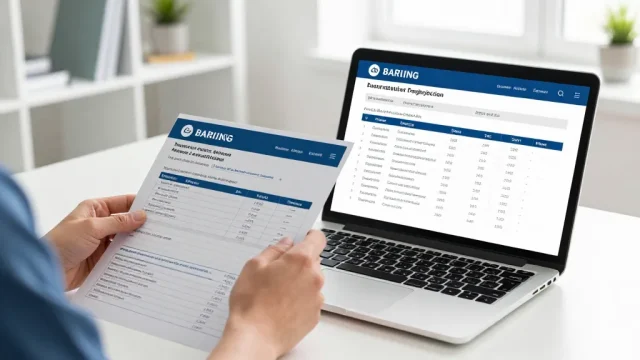

Running a small business means juggling multiple responsibilities, but managing your finances shouldn't be one of them. Without a clear system in place, it's easy to lose track of income, expenses, and overall financial health. A small business chart of accounts template can help you organize your finances, making it easier to understand where your money is going and how to improve your financial strategy. This template serves as a foundation for tracking all your business transactions in a structured and consistent way.
A chart of accounts is more than just a list of numbers—it's a tool that gives you control over your business's financial future. Whether you're a sole proprietor, freelancer, or running a small store, having a customized chart of accounts will make it easier to categorize income and expenses, prepare financial statements, and make informed decisions. This guide will walk you through how to create and use your own small business chart of accounts template.
By following this practical guide, you'll gain the confidence to manage your finances with clarity and precision. The steps outlined here are designed to be simple and adaptable, ensuring that even those with little to no financial background can implement a system that works for them. Let's get started on building a small business chart of accounts template that fits your unique needs.
Why a Chart of Accounts Matters for Small Businesses
A chart of accounts is a fundamental tool for small businesses, offering a structured way to track financial activities. By organizing income, expenses, assets, liabilities, and equity into specific categories, it provides a clear overview of a business's financial health. A customized chart of accounts template ensures that financial data is accurate, consistent, and easy to analyze, which is essential for making informed business decisions.
Understanding the Basics of a Chart of Accounts
A chart of accounts serves as a framework for organizing financial data, allowing small businesses to categorize transactions systematically. Each account represents a specific type of financial activity, such as revenue, expenses, or assets. This structure makes it easier to track where money is coming from and where it is going, ensuring that all financial transactions are recorded in the right place. A well-organized chart of accounts also simplifies bookkeeping and helps maintain compliance with accounting standards.
How It Helps with Financial Clarity and Control
By providing a clear breakdown of income and expenses, a chart of accounts helps small business owners gain financial clarity. This clarity allows for better control over cash flow and budgeting, as it highlights where money is being spent and where it can be saved. Additionally, having a structured template makes it easier to generate financial reports, such as profit and loss statements or balance sheets, which are essential for assessing business performance. A customized chart of accounts also supports compliance with accounting standards, ensuring that financial records are accurate and meet legal requirements.
Building Your Small Business Chart of Accounts Template
Building your small business chart of accounts template starts with selecting a structure that aligns with your business needs. Begin with standard categories such as assets, liabilities, equity, income, and expenses, which provide a solid foundation for financial tracking. These categories help organize transactions in a way that reflects your business operations and financial goals.
Choosing the Right Structure for Your Business
Choosing the right structure involves aligning your accounts with your business model. For example, a retail store might need detailed accounts for inventory and sales, while a service-based business may require more accounts for client receivables and project expenses. Consider how you record transactions and which accounts will help you monitor performance and profitability. A well-structured template ensures clarity and makes financial reporting more efficient.
Customization Tips for Different Business Types
Customizing your template to fit your industry or business type is essential for accuracy. Add specific accounts that reflect your unique operations, such as accounts for subscriptions, digital products, or equipment leases. Each account should have a unique code and clear description to avoid confusion. Include placeholders for future accounts to allow for scalability as your business evolves. This flexibility ensures your chart of accounts remains relevant and useful over time.
Organizing the Key Account Categories
Organizing your small business chart of accounts into key categories ensures clarity and consistency in financial tracking. Each category serves a specific purpose, helping you categorize income, expenses, assets, liabilities, and equity effectively. A well-structured template allows for easier reporting and decision-making, making it essential to define and organize these categories with precision.
| Account Category | Description | Examples |
|---|---|---|
| Assets | Resources owned by the business that provide future economic value | Cash, Accounts Receivable, Equipment |
| Liabilities | Obligations the business owes to others | Loans, Accounts Payable, Accrued Expenses |
| Equity | Residual interest in the assets after deducting liabilities | Owner’s Capital, Retained Earnings |
| Expenses | Costs incurred to generate revenue | Operating Costs, Salaries, Supplies |
Defining Each Account Category Clearly
Defining each account category clearly is crucial for accurate financial management. Assets represent what the business owns, such as cash and equipment, which are vital for daily operations. Liabilities reflect what the business owes, like loans and accounts payable, and help track financial obligations. Equity shows the owner's stake in the business, including capital contributions and retained earnings, which indicate profitability over time. Expenses, on the other hand, represent the costs incurred to run the business, such as salaries and supplies, and are essential for understanding operational costs.
Examples of Accounts in Each Category
Examples of accounts in each category provide a practical understanding of how the chart of accounts works. For instance, cash includes all liquid assets, while accounts receivable represents money owed by customers. Equipment is categorized under assets to track its value over time. Liabilities like loans and accounts payable help track debts and short-term obligations. Equity accounts like owner’s capital and retained earnings show the business's financial health and growth. Expenses such as operating costs and salaries allow for detailed tracking of daily business activities, ensuring that financial decisions are data-driven and informed.
Using the Template to Track Your Business Finances
Once your small business chart of accounts template is set up, the next step is to actively use it to track your finances and make informed decisions. Regular updates and report generation are essential for maintaining accurate financial records and understanding your business's performance over time.
How to Maintain and Update Your Chart
Maintaining and updating your chart of accounts involves recording all financial transactions consistently. Each time you make a transaction, categorize it within the appropriate account to ensure accuracy. This includes income from sales, expenses for operational costs, and any other financial activity. It's important to update the chart regularly, ideally daily or weekly, to keep your records current and reflect real-time financial changes.
Generating Financial Reports From Your Template
Your template can be used to generate essential financial reports such as the balance sheet and profit and loss statement. These reports provide insights into your business's financial health, including assets, liabilities, equity, revenues, and expenses. By using your chart of accounts, you can create these statements with ease, which helps in assessing profitability and identifying areas for improvement. Regularly generating these reports enables you to spot trends and make data-driven decisions for your business.
Tips for Success with Your Small Business Chart of Accounts
Once your small business chart of accounts template is in place, maintaining and maximizing its value depends on consistent practices and teamwork. By following these tips, you can ensure your financial records remain accurate, accessible, and useful for long-term planning.
- Use simple language to avoid confusion.
- Review the template with a financial advisor or accountant if needed.
- Keep the template accessible and easy to update.
- Train team members on how to use the template effectively.
Best Practices for Effective Chart of Accounts Use
Use simple language to avoid confusion. Avoid complex jargon or overly technical terms that might alienate team members or lead to misinterpretation. When creating or updating your chart of accounts, use clear labels and straightforward descriptions so that everyone involved can understand and apply the template consistently. This reduces errors and ensures that financial data is recorded accurately across the board.
Training and Collaboration for Better Financial Management
Training and collaboration for better financial management are essential to leverage your chart of accounts effectively. Conduct regular training sessions to familiarize your team with the template's structure, how to input data, and the importance of accurate record-keeping. Encourage open communication and feedback to identify any gaps or challenges in the process. When team members are well-informed and engaged, they can contribute to more reliable financial insights and better decision-making for your business.
Frequently Asked Questions
How often should I update my chart of accounts template?
You should update your chart of accounts template whenever your business evolves, such as when you introduce new products, services, or payment methods. Regular reviews, at least annually, ensure your template remains relevant and aligned with your business needs.
Can I use the same template for different types of small businesses?
While a basic template can serve as a starting point, it's best to customize it for each business type. Different industries have unique financial needs, so tailoring the template to your specific operations ensures accurate tracking.
What if I need to add new accounts in the future?
Your template should be flexible to accommodate new accounts. Consider using a hierarchical structure with numbered or coded accounts to make additions easy and maintain clarity in your financial records.
How can I ensure my chart of accounts is compliant with accounting standards?
To maintain compliance, align your template with recognized accounting standards like GAAP or IFRS. Regularly review your accounts with an accountant and ensure all transactions are accurately categorized.
Next Steps for Your Small Business
A well-structured small business chart of accounts template is essential for financial clarity and control. It enables accurate tracking, simplifies reporting, and supports informed decision-making.
Start by selecting a template that fits your business type and update it as needed. Consult with an accountant to ensure compliance and streamline your financial management.