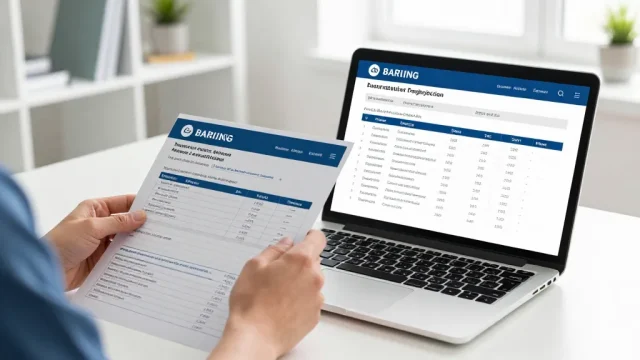

For small business owners and independent creators, managing cash flow and maintaining accurate financial records is essential. A monthly bank reconciliation checklist can help ensure your business’s bank account balances match your internal records, preventing costly errors and providing clarity. By following a structured process, you can identify discrepancies early and build confidence in your financial data without needing professional expertise.
This article provides a clear, actionable guide to creating and using a monthly bank reconciliation checklist. It covers why reconciliation is important, how to build a consistent checklist, and the step-by-step process to align your bank statement with your business books. You’ll also learn how to handle common issues like uncleared checks and duplicate entries.
Whether you’re running a small business or managing personal finances, a monthly bank reconciliation checklist can save you time and reduce the risk of financial mistakes. By staying consistent and using tools like templates or automation, you can make the reconciliation process smoother and more reliable over time.
Why Monthly Bank Reconciliation Is Important
Monthly bank reconciliation is a critical practice for small business owners to ensure their financial records are accurate and reliable. By regularly comparing the bank statement with internal accounting records, business owners can uncover discrepancies, prevent errors, and maintain confidence in their financial data.
Avoiding Financial Mistakes
One of the primary benefits of monthly bank reconciliation is that it helps identify discrepancies between the bank's records and the business's internal accounting system. These discrepancies can arise from various sources, such as unrecorded transactions, errors in data entry, or timing differences between when a transaction is recorded and when it appears on the bank statement. By regularly reconciling, business owners can quickly spot these issues and correct them before they escalate into larger problems.
Improving Trust in Financial Records
Accurate financial records are essential for making informed business decisions and maintaining the integrity of a company's financial reporting. Monthly bank reconciliation ensures that the business's books reflect the true state of its cash flow and financial position. This process builds trust in the financial data, which is crucial for both internal decision-making and external reporting to stakeholders, investors, or lenders. A consistent reconciliation routine also helps prevent errors that could lead to overdrafts, missed payments, or other financial missteps.
Creating Your Monthly Bank Reconciliation Checklist
Creating a monthly bank reconciliation checklist ensures consistency and reduces the risk of errors in your financial records. A well-structured checklist helps you stay organized and focused on the key areas that need attention during the reconciliation process.
- Start with the bank statement and your accounting records.
- Use a simple template to organize the reconciliation process.
- Include key areas like uncleared checks and duplicate entries.
- Review all transactions for accuracy and completeness.
What to Include in Your Checklist
Your checklist should begin with the bank statement and your accounting records. Comparing these two sources ensures that all transactions are accurately recorded and that there are no discrepancies. This step is crucial for identifying any missing or incorrect entries early in the process.
Using a Template for Consistency
Using a template helps maintain consistency and saves time during each reconciliation cycle. A template can include columns for dates, descriptions, amounts, and reconciled status, allowing you to track progress and spot errors more efficiently. Templates can be created manually or using accounting software, depending on your business needs.
Step-by-Step Guide to Reconciling Your Bank Account
Reconciling your bank account is a critical process that ensures your financial records align with your bank's statement. By comparing the ending balance from the bank statement with your accounting records, you can identify discrepancies and maintain accurate financial data. This step-by-step guide walks you through the essential actions needed to ensure your books are in sync with your bank's records.
Matching the Bank Statement to Your Books
Start by gathering your bank statement and your accounting records. Locate the ending balance on the bank statement and compare it with the balance in your accounting system. Differences may arise due to timing delays, such as checks that have been issued but not yet cashed, or deposits that have not yet been recorded by the bank. This comparison helps you identify any variances that need further investigation.
Resolving Common Issues
Once you've identified discrepancies, focus on resolving common issues like uncleared checks and duplicate entries. Uncleared checks, also known as outstanding checks, are those that have been recorded in your books but not yet cleared by the bank. Duplicate entries occur when a transaction is recorded twice, either in your books or on the bank statement. Review each transaction carefully, cross-referencing with supporting documents to ensure accuracy. Once resolved, update your records to reflect the correct balances and maintain the integrity of your financial data.
Managing Uncleared Checks and Duplicate Entries
Uncleared checks and duplicate entries are common issues that can disrupt the accuracy of your financial records. Understanding how to identify and resolve these problems ensures your bank reconciliation remains reliable and up-to-date.
- Review your bank statement regularly to identify any uncleared checks.
- Compare your checkbook register with the bank statement to spot discrepancies.
- Use a reconciliation template to track and resolve issues efficiently.
- Keep a record of all transactions to help identify and correct duplicate entries.
What Are Uncleared Checks?
Uncleared checks are funds that have been deposited into your account but have not yet been processed by the bank. These checks appear on your bank statement as 'pending' or 'in process' and may take several days to clear. Tracking these checks is essential to avoid underestimating your available cash. By regularly reviewing your bank statement, you can monitor when these checks are cleared and adjust your financial planning accordingly.
How to Spot and Fix Duplicate Entries
Duplicate entries occur when a transaction is recorded twice in your accounting records. This can happen if you accidentally enter a payment twice or if a check is recorded in both your register and the bank statement. To fix this, compare your checkbook register with the bank statement line by line. If you find a duplicate, remove the extra entry from your records and ensure it is not included in future reconciliations. Maintaining a consistent reconciliation schedule helps catch these errors early and prevents them from affecting your financial reporting.
Tips for Making the Reconciliation Process Easier
Making the monthly bank reconciliation process easier can save time and reduce the risk of errors. By implementing practical strategies, small business owners can streamline their accounting tasks and maintain accurate financial records with greater ease.
Automating the Process
Using accounting software can significantly simplify the reconciliation process. Many platforms automatically import bank statements and match transactions with your bookkeeping records, reducing the need for manual data entry. Features like automated reconciliation tools and real-time updates help identify discrepancies quickly, ensuring your financial records remain accurate and up to date. This not only saves time but also minimizes the chances of human error.
Staying Consistent with Reconciliation
Setting a monthly reminder ensures that reconciliation becomes a regular part of your financial routine. By scheduling this task at the same time each month, you can avoid last-minute rushes and maintain consistency in your accounting practices. This habit also helps in identifying patterns or anomalies in your cash flow, allowing for timely adjustments. Additionally, reviewing your reconciliation checklist regularly can help you refine your process and improve efficiency over time.
Frequently Asked Questions
What should I do if I find a duplicate entry in my bank reconciliation?
Review your bank statement and accounting records to identify the duplicate. Remove the duplicate entry from your books and ensure it's not re-recorded. This helps maintain accurate financial records.
How often should I reconcile my bank account?
Small business owners should reconcile their bank account at least monthly to catch errors and discrepancies early. Regular reconciliation ensures financial accuracy and helps prevent fraud.
Can I use accounting software to help with monthly bank reconciliation?
Yes, accounting software can automate many reconciliation tasks, such as matching transactions and identifying discrepancies. It improves efficiency and reduces the risk of manual errors.
What are some common mistakes to avoid during the reconciliation process?
Common mistakes include missing uncleared checks, duplicate entries, and not reconciling regularly. To avoid these, maintain accurate records and follow a structured reconciliation checklist.
Final Thoughts
Monthly bank reconciliation is essential for maintaining accurate financial records and identifying discrepancies early. By following a structured checklist and using tools like accounting software, small business owners can streamline the process and reduce errors.
To get started, create a monthly bank reconciliation checklist that includes key steps like matching bank statements with your books and resolving issues like uncleared checks. Consistency and attention to detail will help ensure financial accuracy.